
Knitted and woven fabrics are two of the many types of fabrics widely used in apparel. However, they have differences in quality and price. If you don’t know how to recognize them, you will definitely be mistaken when buying them. Let’s learn more about knitted and woven fabrics in the article below.
What is knitted fabric? What are the properties of knitted fabrics?
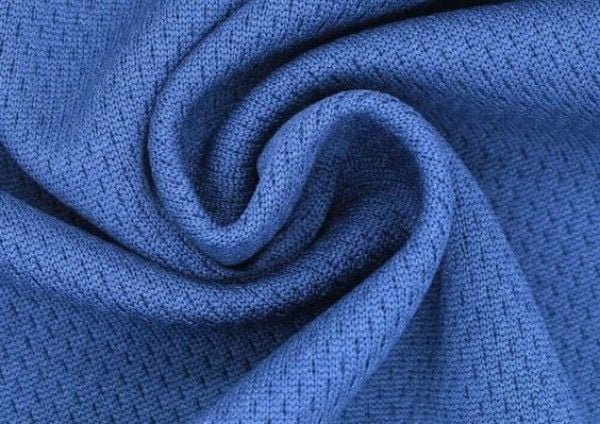
1. What is knitted fabric?
Knitted fabric is a fabric made by interlacing long silk fibers in a special method. These threads are woven horizontally on top of each other, then tied together with a point. The modern garment industry often uses machines to produce knitted fabrics, reducing labor and ensuring quality.
2. Properties of knitted fabrics
- Natural elasticity, It can be easily restored to its original state after stretching, elasticity is also very good.
- The surface is airy, soft, porous and has good heat retention
- Good hygroscopic ability, high permeability, no need to worry about stuffiness due to sweat
- Almost non-creasing, easy to clean with water and easy to preserve
- Good electrical insulation
- Almost no wrinkles, few folds, no need to iron
In addition, knitted fabrics also have disadvantages such as being susceptible to curling at the edges and slipping off the yarn loops after a period of use. However, with its superior properties, knitted fabrics are often popular in the garment industry, especially in the design of sportswear, outfits for infants, sweaters and T-shirts…
What is woven fabric? What are the properties of woven fabrics?
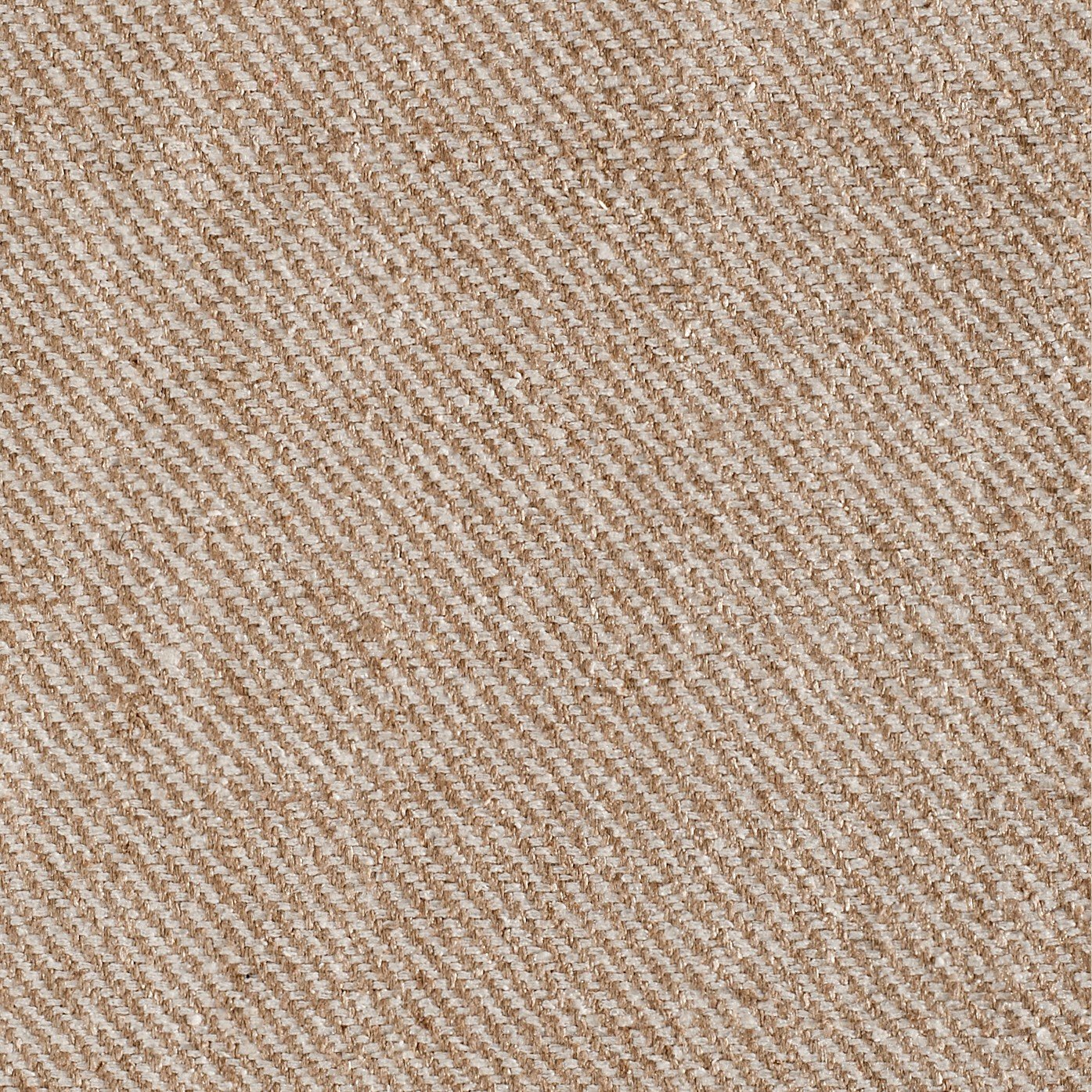
1. What is woven fabric?
Woven fabric, also known as machine woven fabric, is a fabric made from the interlacing of fibers vertical and horizontal, create an even square structure.
Woven fabrics are divided into 3 different types including: plain woven fabric, twill woven fabric, satin woven fabric. Can be understood simply, woven fabric is created similarly to weaving mats and baskets. Woven fabrics today also have many variations with many different special designs creating new and unique patterns.
2. What are the properties of woven fabrics?
Like knitted fabrics, woven fabrics also possess many superior properties and are often used in many garment industries, living, medical, technical…
Some characteristics of woven fabrics include:
- Durable structure: The woven fabric has a tight structure, ensuring durability and longevity..
- Little elasticity: Inability to recover when stretched, longitudinal and transverse elongation are almost equal.
- Wrinkles easily: Requires careful preservation due to wrinkles easily.
- Do not wash too hard: Using strong force to clean can damage the fabric.cause ruffles and loose fabric.
- Less curling at the edges or slipping like knitted fabric.
How to distinguish knitted and woven fabrics
1. Distinguish between woven fabrics and knitted fabrics by observe the fabric grain
Observing the fabric grain is the simplest and easiest way to you recognize knitted fabrics and woven fabrics.To apply this method, we just need to observe the fabric closely and pay attention to its structure.
Woven fabric structure:
In woven fabric, the weft and warp yarns are woven on top of each other to form a net-like pattern, similar to the way tennis nets are made. This structure creates the even squares that are characteristic of this fabric. They have two sides that are often the same, have a tight texture and often have a certain porosity to the touch.
Knitted fabric structure
Knitting is made up of weft and warp yarns, ff weft knitting, it will be V-shaped, and if woven along warp threads usually do not have a clear shape but can still be clearly seen. Texture in a straight line from the top down to the fabric grain. Just like how we weave a strand of hair.
2. Distinguish between knitted and woven fabrics by their wrinkle resistance
Wrinkle resistance is an important characteristic that distinguishes between woven fabrics and knitted fabrics.
Knitted fabric:
Knitted fabrics usually have good wrinkle resistance.When clenchedand release, knitted fabric will restore its original state quickly and effectively. In fashion, knitted fabric is often used to make T-shirts.
Woven fabrics:
In contrast to knitted fabrics, woven fabrics are often less wrinkle resistant. When tightened and released, woven fabrics can retain wrinkles and be difficult to recover. In fashion, woven fabrics are often made into shirts, which is why we often iron shirts more than t-shirts.
To test wrinkle resistance, you can take a few simple steps:
- Grip a part of knitted fabric.
- Release and observe the recovery of the fabric.
- If the fabric quickly returns to its original state without retaining many wrinkles, it is a characteristic of knitted fabric.
- If the fabric retains wrinkles and difficulty in recovery, That is the characteristic of woven fabric.
This method not only helps determine the wrinkle resistance of woven and knitted fabrics but also assists in choosing the right fabric for use.
3. Distinguish by the elasticity of the fabric:
To distinguish between knitted and woven fabrics based on elasticity, you can take the following steps:
- Pull a section of knitted fabric horizontally.
- Observe the recovery of the fabric after release.
- If the fabric easily restores its original state horizontally, it is a characteristic of a weft knitted fabric.
- If woven fabrics are often loose and slip off at the edges when stretched, that is a characteristic of woven fabrics.
This method not only helps identify woven and knitted fabrics but also evaluates stretch, which is important when selecting fabrics for garment projects.
4. Distinguish by observe the fabric edge:
Knitted fabric: The edges of the fabric often have sizing added to reduce edge curling and fraying.Reduce loss during transportation and sales.
The edges of woven fabrics are usually very soft, sturdy and do not require the use of sizing glue to fix the fabric.
Above are all the ways to distinguish between woven and knitted fabrics. Hopefully, through the information provided, You now have a clear view on how to compare and choose the right fabric for your intended use.
